Why Non-GMO Women's Supplements Matter for Intimate Health and Hormone Balance
When I first started looking into supplements for hormone balance, I assumed the "organic" label on the front of the bottle was enough. It took a few months of trial and error to realize that organic and non-GMO are not the same thing. For women dealing with intimate health issues, sleep disruption, or menopause symptoms, the difference matters more than most labels let on.
I spent years recommending standard probiotic blends and herbal mixes to friends, until one friend mentioned that her bloating and hot flashes only eased when she switched to a brand that carried the Non-GMO Project seal alongside USDA Organic certification. That conversation sent me down a research path that changed how I evaluate every supplement I take.
What Non-GMO Actually Means for Supplements
A supplement can be labeled "natural" or even "organic" and still contain ingredients derived from genetically modified crops. Corn, soy, and sugar beets are common fillers in capsules and powders, and the vast majority of those crops grown in the U.S. are genetically engineered. When you swallow a daily capsule for vaginal dryness or sleep support, you are also swallowing whatever processing residues and genetic modifications come with those fillers.
Non-GMO women's supplements are formulated specifically to avoid that. They use ingredients that have not been genetically modified, and they are often third-party verified by the Non-GMO Project. For women who are already managing estrogen balance, cortisol spikes, or melatonin production, adding synthetic or modified compounds to the mix can throw off the very systems they are trying to support.
Intimate Health and the Hormone Connection
Intimate health is not just about avoiding infection. It is about maintaining healthy pH, moisture, and tissue integrity as estrogen levels fluctuate. During perimenopause and menopause, declining estrogen can lead to vaginal dryness, thinning tissues, and a shift in the microbiome that increases susceptibility to irritation.
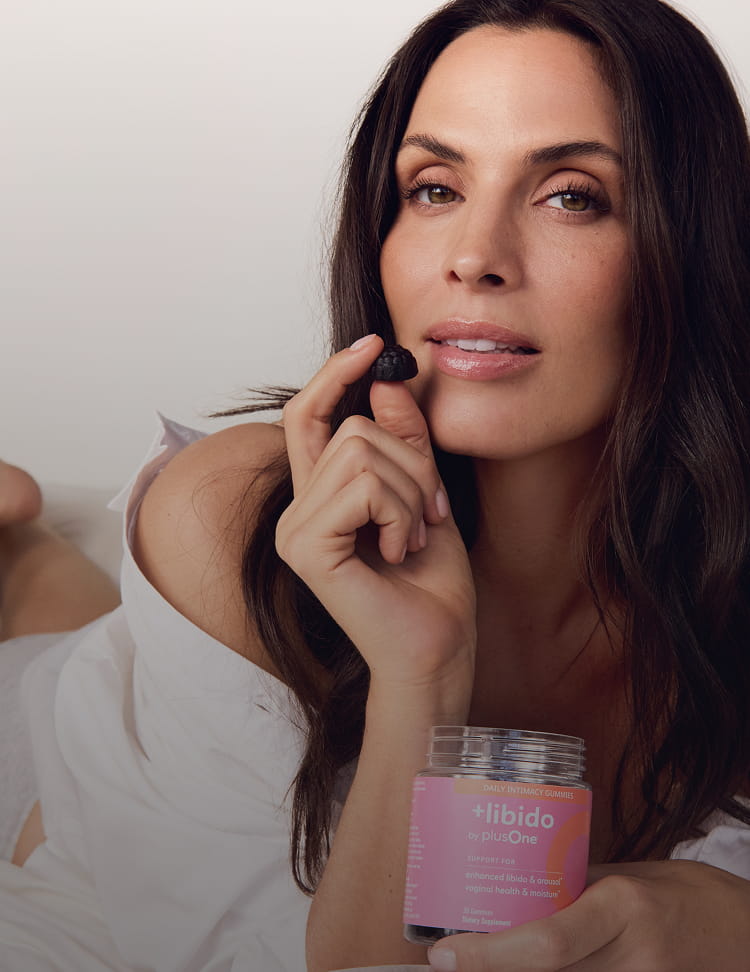
Probiotics and prebiotics can help, but only if the delivery system is clean. I have seen too many women take a probiotic with synthetic binders or GMO-derived starches and wonder why their symptoms did not improve. Non-GMO women's supplements that include targeted strains for vaginal health, alongside prebiotic fibers from non-GMO sources, give the body what it actually needs without the metabolic burden of processing modified ingredients.
One brand that focuses on this intersection is Myplusone, which offers non-hormonal, vegan, and allergy-free daily supplements. Their approach is built around the idea that women should not have to trade clean ingredients for effectiveness. Dr. Anna Cabeca, a well-known voice in women's hormone health, has also emphasized that the purity of what you put in your body directly influences how your hormone receptors respond.
Sleep Support Without the GMO Fillers
Sleep is one of the first things to unravel when hormones shift. Cortisol levels that stay elevated into the evening, combined with dropping progesterone, can make falling asleep feel like a nightly battle. Many sleep aids on the market rely on melatonin, but the dosage is often too high and the source can be synthetic.
Magnesium glycinate is a gentler option that supports the nervous system without knocking out your natural production. But magnesium itself is a mineral; the glycinate form is bound to an amino acid, and that amino acid can be derived from GMO sources if the manufacturer does not specify otherwise. Looking for non-GMO women's supplements that include magnesium glycinate ensures you are getting a clean compound that your body can actually absorb.
Ashwagandha is another ingredient that has become popular for sleep and stress support. It works by modulating cortisol, which can be a game-changer for women who wake up wired at 3 a.m. But ashwagandha is a root, and if it is grown in soil treated with GMO runoff or processed with GMO excipients, the purity drops. The same logic applies to chasteberry, which is sometimes used to support progesterone balance and reduce the intensity of hot flashes.
Menopause Relief and the Estrogen Balance Puzzle
Menopause relief is not a one-size-fits-all category. Some women need support for hot flashes and night sweats. Others struggle more with vaginal dryness or mood swings. The common thread is estrogen balance, and the supplements that help modulate it are often plant-based.

VitaFem is a product line that has been around for years, and it uses a blend of herbs and isoflavones to support the body's own hormone production. But even within a trusted line, the sourcing of those herbs matters. Non-GMO women's supplements that carry the USDA Organic seal and the Non-GMO Project verification give you a layer of assurance that the phytoestrogens you are taking are not contaminated with glyphosate or other agricultural chemicals.
I have tried several menopause blends over the years. The ones that worked best for me were the ones that listed every ingredient with its source and did not hide behind proprietary blends. When a company is transparent about where their chasteberry or ashwagandha comes from, it is a good sign that they are also careful about GMOs.
Why Vegan and Hormone-Free Matter
Many women choose vegan supplements for ethical or digestive reasons. But vegan does not automatically mean non-GMO. Soy is a common protein source in vegan capsules, and the vast majority of soy is genetically modified. If you are looking for vegan supplements that also respect your hormone health, you need to check for the Non-GMO Project seal separately.
Hormone-free is a different consideration. Some menopause supplements contain actual hormones, like bioidentical estrogen or progesterone. Those can be effective, but they come with a different set of risks and require medical supervision. Non-hormonal approaches, such as those offered by Myplusone, rely on plant extracts and minerals to support the body's own hormone production without introducing external hormones. For women who want to avoid hormonal intervention, non-GMO women's supplements that are also hormone-free offer a middle path.
Practical Tips for Choosing Clean Supplements
- Look for the Non-GMO Project seal on the front of the bottle. It is one of the few third-party verifications that actually tests for GMO content.
- Check the "Other Ingredients" list. Fillers like maltodextrin, glucose syrup, and citric acid are often derived from GMO corn.
- Choose brands that list the source of each ingredient, especially for probiotics and prebiotics where the carrier matters.
I keep a shortlist of brands that meet all three of my criteria: non-GMO, vegan, and hormone-free. It makes shopping easier and reduces the mental load of trying to decode every label. Myplusone and VitaFem are on that list, but I also try new brands when I hear about them from other women who have done their own research.
The Bottom Line on Clean Ingredients
Supplements are not regulated the way food is, which means the burden of verification falls on the consumer. For women navigating intimate health issues, sleep problems, or menopause symptoms, the last thing you need is an ingredient that adds to your body's toxic load. Non-GMO women's supplements give you a baseline of purity that allows the active ingredients, whether they are probiotics, ashwagandha, magnesium glycinate, or chasteberry, to work as intended.
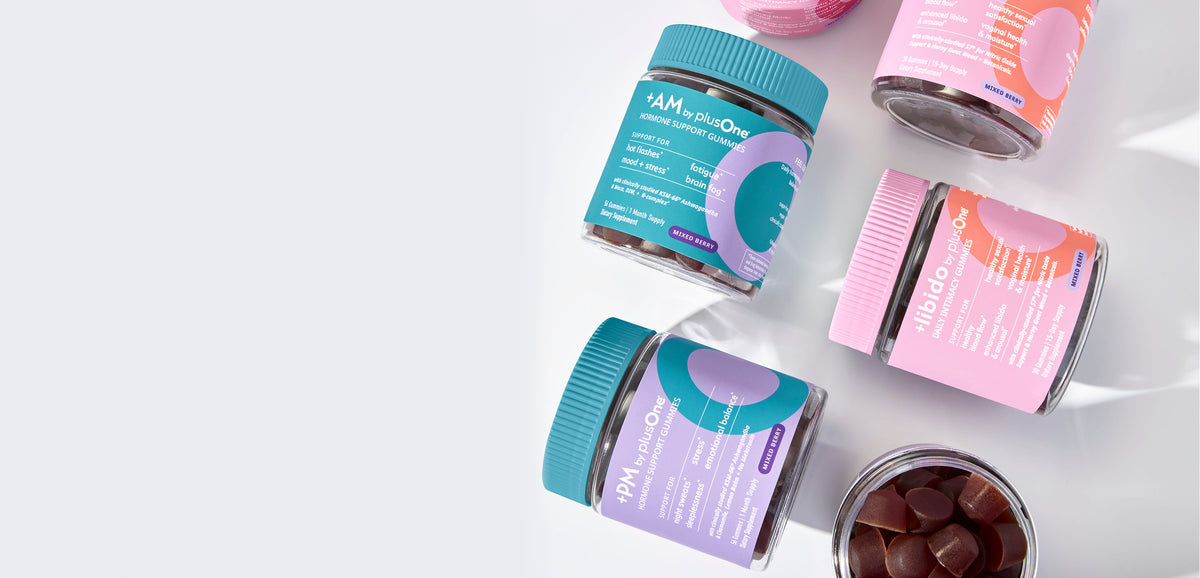
I have seen the difference in my own sleep quality and in how my body responds to stress since I switched to clean formulations. The hot flashes are less intense, the morning brain fog is lighter, and I do not wake up feeling like I ate something that disagreed with me. It is not a cure-all, but it is a foundation that makes everything else work better.
If you are already taking something for menopause relief or sleep support and you are not seeing results, check the label for GMO-derived fillers. Sometimes the answer is not a different ingredient but a cleaner version of the same one.